Adaptive and digitally inclusive learning for the universities of tomorrow
🔹 AI is reshaping higher education
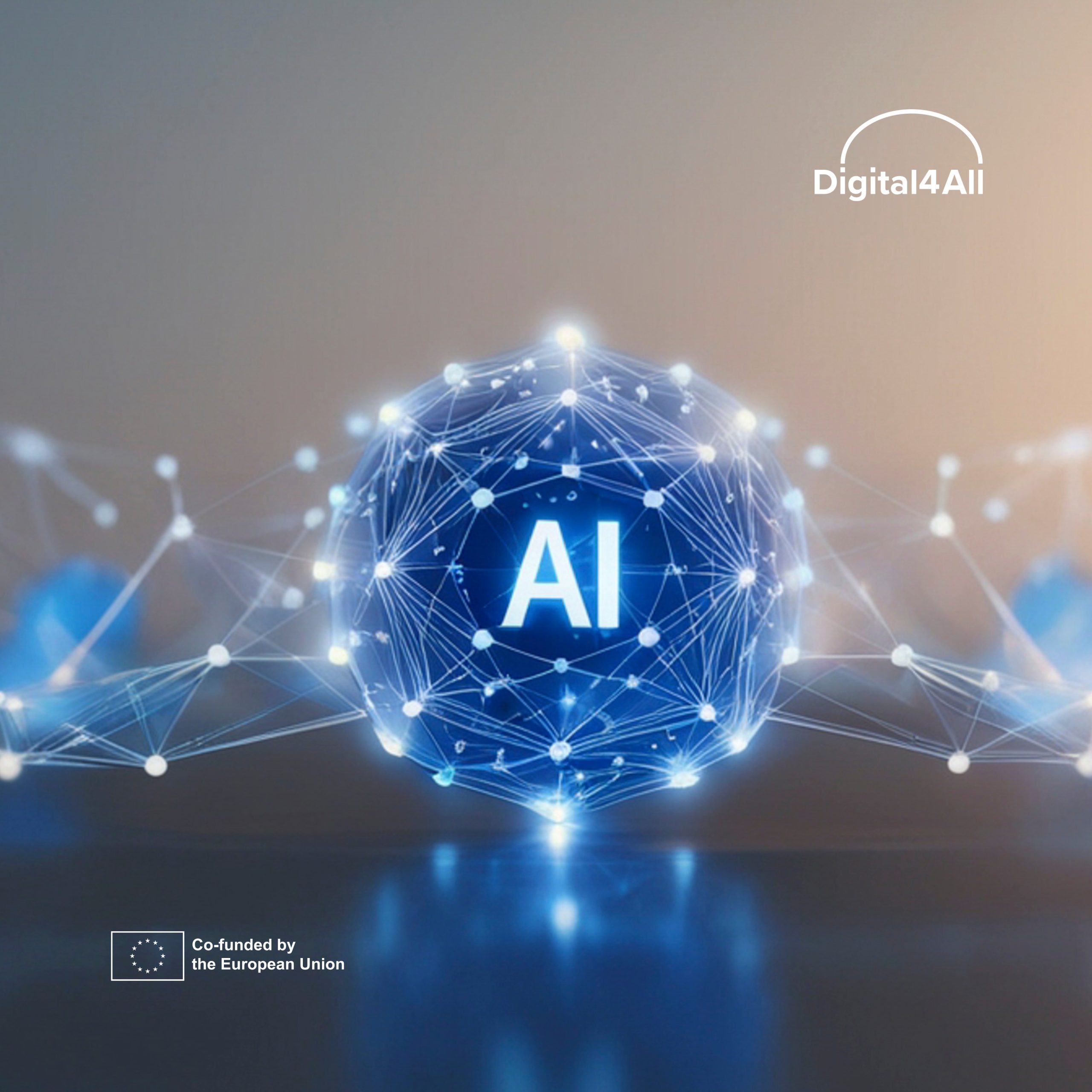
Artificial Intelligence (AI) is transforming the way we learn, teach, and connect within universities. The rise of AI-driven classrooms — smart learning environments that use data, automation, and intelligent algorithms — marks a new era in higher education.
At its core, this transformation is about one simple but powerful idea: helping every student learn in a way that works best for them. AI has the potential to make learning more adaptive, more inclusive, and more personal than ever before.
🔹 Learning that adapts to each student
In an AI-powered classroom, learning is no longer one-size-fits-all.
Algorithms can analyze a student’s study habits, learning pace, and areas of difficulty to create a personalized learning path.
That means the system can:
- Suggest extra resources when a student struggles,
- Offer more advanced material when someone is ready for a challenge,
- And provide immediate, personalized feedback along the way.
This adaptive learning approach ensures that no student is left behind — and no one feels held back. Every learner moves forward at their own rhythm, supported by technology that understands and responds to their needs.
🔹 Digital inclusion in higher education
Digital inclusion is about more than access to devices or Wi-Fi. It’s about ensuring that everyone — regardless of disability, background, or language — can participate fully in the learning process.
AI offers powerful tools to make this vision a reality:
- Text-to-speech and speech-to-text applications for students with dyslexia, visual, or mobility impairments,
- Real-time captions and translations for multilingual learners,
- Chatbots and virtual assistants that offer academic or emotional support 24/7,
- And even emotion-recognition tools that help educators sense engagement or frustration in online settings.
These technologies make learning more accessible, equitable, and empowering.
AI, when used ethically and thoughtfully, can bridge gaps rather than widen them — making universities truly inclusive spaces.
🔹 From “one-size-fits-all” to learner-centered education
Traditional higher education has long followed a uniform approach: same lectures, same materials, same exams for everyone. But students are not all the same — they think, learn, and engage in diverse ways.
With AI, learning can finally become student-centered. Imagine an online course that automatically adjusts quizzes, readings, and difficulty levels based on a student’s performance. Or a platform that highlights key topics when attention drops, and offers short videos or micro-lessons for quick review. These AI-driven experiences don’t just improve academic performance — they also boost confidence, motivation, and a sense of belonging in the learning process.
🔹 The human side of AI
One of the biggest misconceptions about AI in education is that it will replace teachers. In reality, AI enhances the human element of learning. By analyzing learning data, professors gain insights into how their students are doing — who’s thriving, who’s struggling, and why. This allows them to offer more personalized support, empathy, and guidance.
Instead of spending hours grading or managing administrative tasks, educators can focus on what matters most: mentoring, inspiring, and connecting with their students. AI, in this sense, doesn’t dehumanize education — it helps make it more human.
🔹 Challenges and responsibilities
Of course, adopting AI in higher education comes with important challenges:
- Data privacy and transparency must be top priorities,
- Educators need training and digital literacy to use AI tools effectively,
- Universities must ensure equal access to technology for all students.
Ethical use of AI is essential — it should serve as a tool for inclusion, not exclusion.
When designed and implemented responsibly, AI can become a force for fairness and opportunity in education.
🔹 A new vision for the universities of the future
AI is more than a technological upgrade — it’s a chance to reimagine what higher education can be. Universities can evolve into intelligent learning ecosystems that are dynamic, connected, and inclusive.
In these AI-driven classrooms:
- Knowledge becomes accessible to everyone,
- Diversity is celebrated,
- And every student has the tools and support to succeed.
The future of education isn’t just digital — it’s human-centered, inclusive, and adaptive. By combining the power of AI with the heart of teaching, we can build universities where everyone belongs.
🧭 In summary
AI-driven classrooms represent the next step toward inclusive, personalized, and equitable learning in higher education. When used with care and creativity, artificial intelligence can help us achieve what education has always aimed for a world where every learner has a fair chance to grow, connect, and succeed.
📚 References
Holmes, W., & Tuomi, I. (2022). Artificial Intelligence and the Future of Teaching and Learning: Insights and Recommendations. European Commission Joint Research Centre.
Holmes, W., Bialik, M., & Fadel, C. (2019). Artificial Intelligence in Education: Promises and Implications for Teaching and Learning. Boston, MA: Center for Curriculum Redesign.
Luckin, R., Holmes, W., Griffiths, M., & Forcier, L. B. (2016). Intelligence Unleashed: An Argument for AI in Education. Pearson Education.
UNESCO. (2023). AI and Education: Guidance for Policy-makers. Paris: United Nations Educational, Scientific and Cultural Organization.
Popenici, S. A. D., & Kerr, S. (2017). Exploring the Impact of Artificial Intelligence on Teaching and Learning in Higher Education. Research and Practice in Technology Enhanced Learning, 12(22).
Holmes, W., & Tuomi, I. (2022). Artificial Intelligence and the Future of Teaching and Learning: Insights and Recommendations. European Commission Joint Research Centre.