Category: News

  • Digital4All Multiplier Event in Cyprus Successfully Showcases Inclusive Digital Education

    Digital4All Multiplier Event in Cyprus Successfully Showcases Inclusive Digital Education

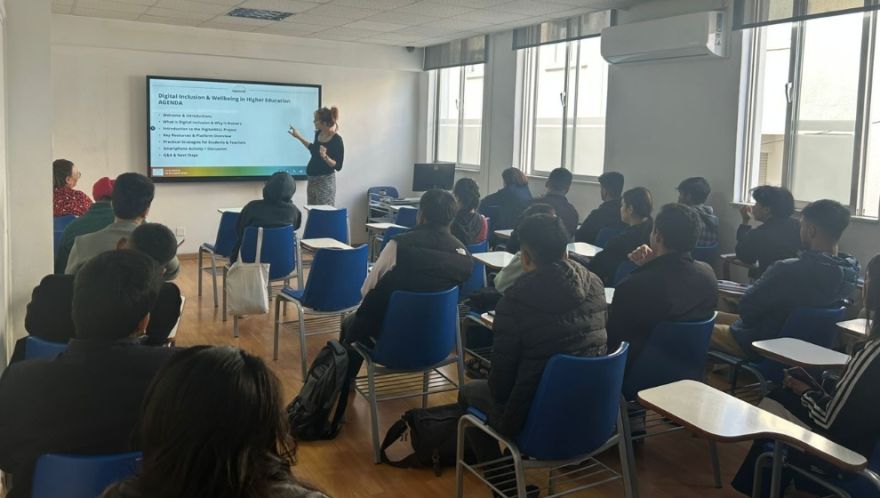
    The Digital4All Multiplier Event took place on 24 November 2025 at Casa College in Nicosia, hosted by INNOVADE and the University of Nicosia. The workshop brought together around 30 participants, including educators, academics, learning designers, and policymakers, to explore practical approaches to enhancing digital inclusion in higher education.

    During the event, the main Digital4All outputs—the Toolkit, Training Course, and eLearning Platform—were presented, highlighting how these open-access resources can support universities in implementing accessible and inclusive digital teaching practices. Participants engaged in hands-on activities, interactive discussions, and demonstrations focused on Universal Design for Learning (UDL) and equitable digital transformation.

    The workshop fostered collaboration among Cypriot higher education stakeholders and encouraged continued use of the Digital4All resources beyond the project’s lifetime, marking an important step toward a more inclusive and digitally accessible higher education landscape in Cyprus.

  • Digital4All Final Conference in Vaasa

    Digital4All Final Conference in Vaasa

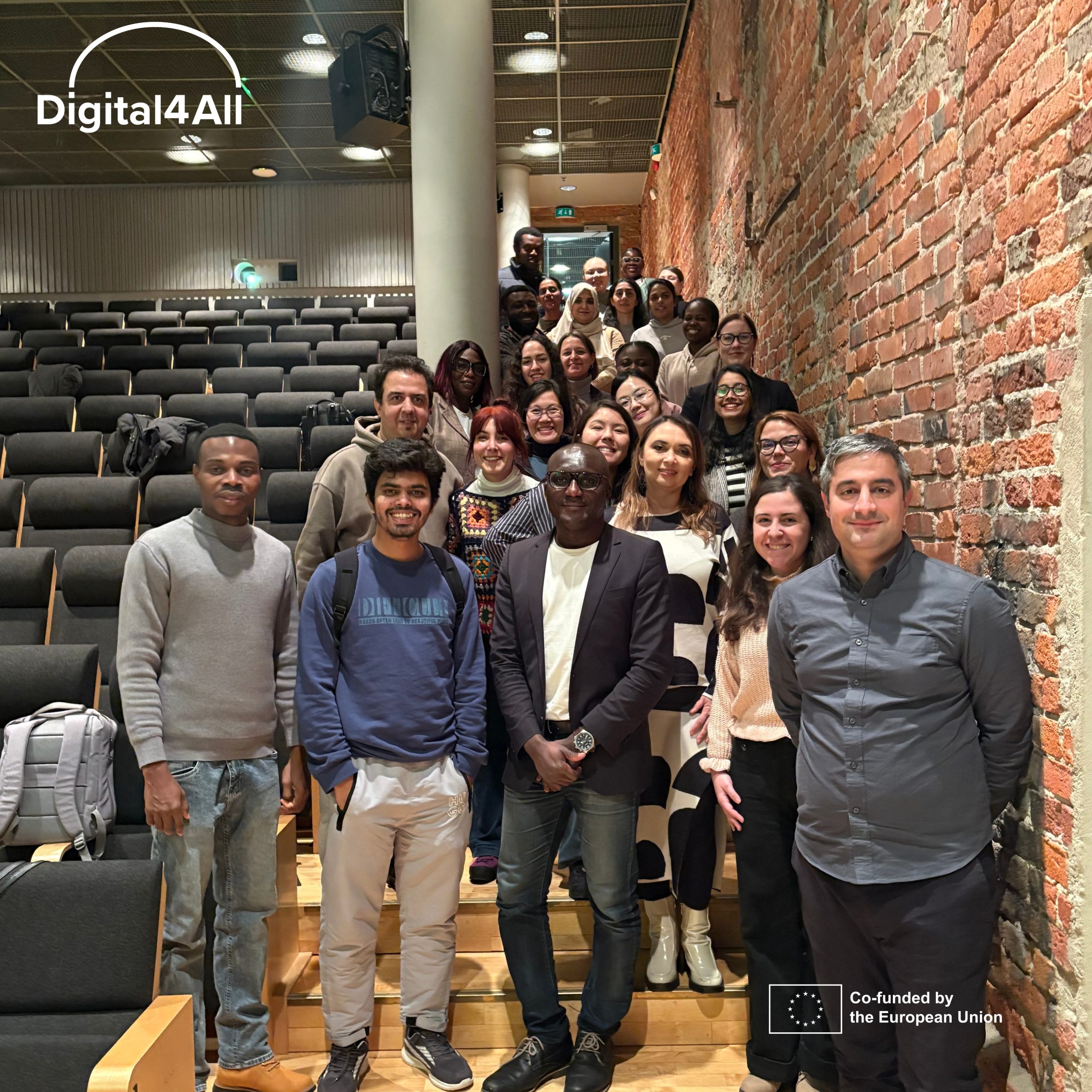
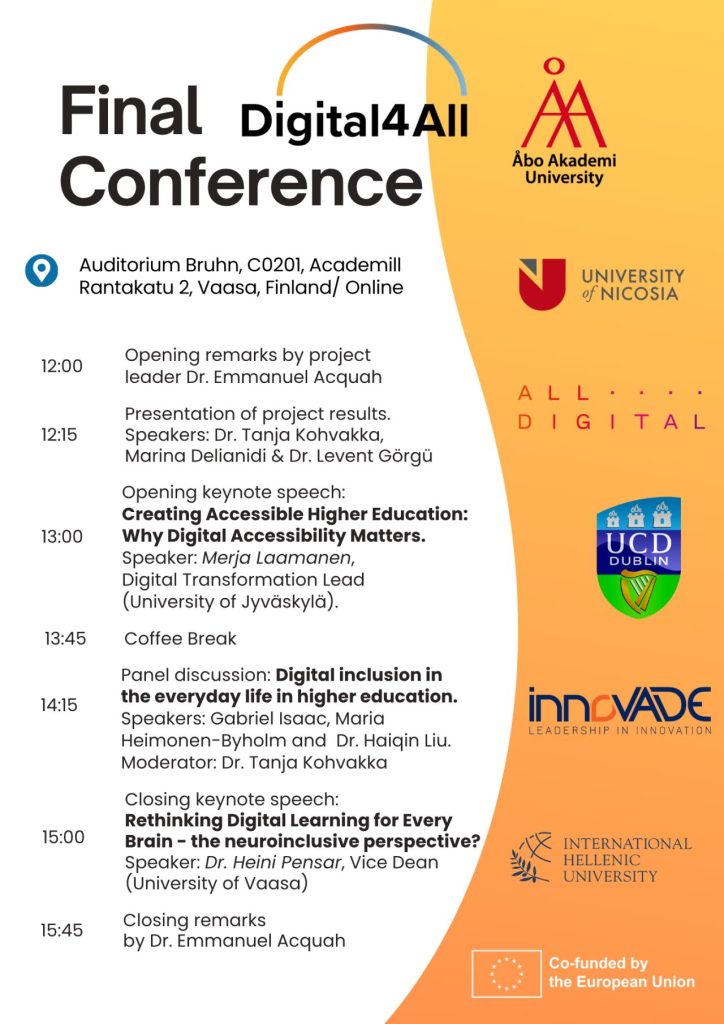
    The Digital4All final conference was held in snowy Vaasa on November 20. The conference brought together students and university staff to discuss a variety of topics related to equitable and inclusive online learning.
    The project team shared the results from the past two years, including the toolkit, training course, and OER repository that were developed by the team.

    The audience had the pleasure of listening to an insightful keynote speech by Digital Transformation Lead Merja Laamanen on why accessibility in digital teaching and learning matters. The speech, referring to robust data on digital accessibility in Finland and other EU countries, sparked an interesting discussion among the participants. In addition, the audience followed with interest a panel discussion on the everyday experiences of digital teaching and learning in higher education. The panellists – university lecturer Haiqin Liu, digimentor Maria Heimonen Byholm, and MA student Gabriel Isaac – had a fruitful discussion by sharing their unique perspectives on digital teaching and learning.

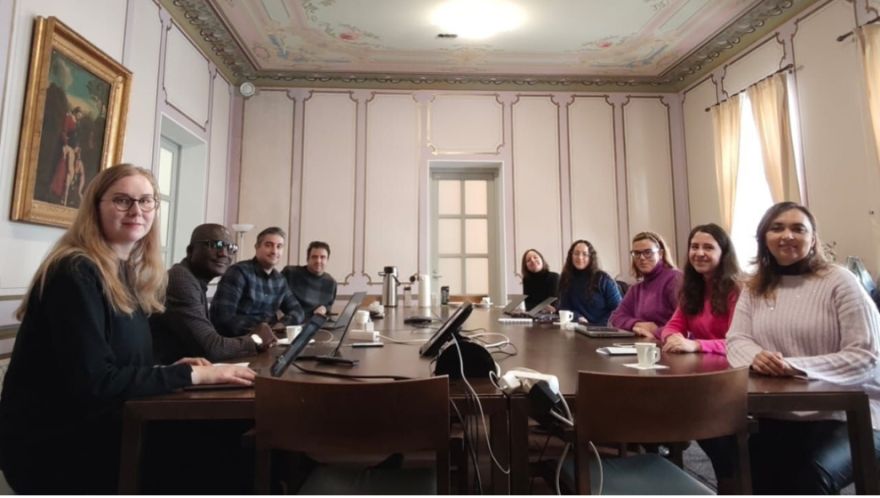
    Afterwards, the Digital4All consortium convened for its Final Project Meeting gathering marked the completion of two years of collaborative work dedicated to advancing digital inclusion across European higher education.

    Throughout the final meeting, partners reflected on the project’s achievements and discussed strategies to ensure the long-term sustainability and open accessibility of its resources. The consortium also explored avenues for continued collaboration, recognising the strong partnerships formed during the project. The meeting concluded with a shared commitment to maintain and expand the use of the Digital4All outputs, ensuring that the project’s impact and legacy will continue to support inclusive digital education well beyond its official end.

  • AI-Driven Classrooms: How Artificial Intelligence Is Powering Inclusive Higher Education

    AI-Driven Classrooms: How Artificial Intelligence Is Powering Inclusive Higher Education

    Adaptive and digitally inclusive learning for the universities of tomorrow

    🔹 AI is reshaping higher education

    Artificial Intelligence (AI) is transforming the way we learn, teach, and connect within universities. The rise of AI-driven classrooms — smart learning environments that use data, automation, and intelligent algorithms — marks a new era in higher education.

    At its core, this transformation is about one simple but powerful idea: helping every student learn in a way that works best for them. AI has the potential to make learning more adaptive, more inclusive, and more personal than ever before.

    🔹 Learning that adapts to each student

    In an AI-powered classroom, learning is no longer one-size-fits-all.
    Algorithms can analyze a student’s study habits, learning pace, and areas of difficulty to create a personalized learning path.

    That means the system can:

    • Suggest extra resources when a student struggles,
    • Offer more advanced material when someone is ready for a challenge,
    • And provide immediate, personalized feedback along the way.

    This adaptive learning approach ensures that no student is left behind — and no one feels held back. Every learner moves forward at their own rhythm, supported by technology that understands and responds to their needs.

    🔹 Digital inclusion in higher education

    Digital inclusion is about more than access to devices or Wi-Fi. It’s about ensuring that everyone — regardless of disability, background, or language — can participate fully in the learning process.

    AI offers powerful tools to make this vision a reality:

    • Text-to-speech and speech-to-text applications for students with dyslexia, visual, or mobility impairments,
    • Real-time captions and translations for multilingual learners,
    • Chatbots and virtual assistants that offer academic or emotional support 24/7,
    • And even emotion-recognition tools that help educators sense engagement or frustration in online settings.

    These technologies make learning more accessible, equitable, and empowering.
    AI, when used ethically and thoughtfully, can bridge gaps rather than widen them — making universities truly inclusive spaces.

    🔹 From “one-size-fits-all” to learner-centered education

    Traditional higher education has long followed a uniform approach: same lectures, same materials, same exams for everyone. But students are not all the same — they think, learn, and engage in diverse ways.

    With AI, learning can finally become student-centered. Imagine an online course that automatically adjusts quizzes, readings, and difficulty levels based on a student’s performance. Or a platform that highlights key topics when attention drops, and offers short videos or micro-lessons for quick review. These AI-driven experiences don’t just improve academic performance — they also boost confidence, motivation, and a sense of belonging in the learning process.

    🔹 The human side of AI

    One of the biggest misconceptions about AI in education is that it will replace teachers. In reality, AI enhances the human element of learning. By analyzing learning data, professors gain insights into how their students are doing — who’s thriving, who’s struggling, and why. This allows them to offer more personalized support, empathy, and guidance.

    Instead of spending hours grading or managing administrative tasks, educators can focus on what matters most: mentoring, inspiring, and connecting with their students. AI, in this sense, doesn’t dehumanize education — it helps make it more human.

    🔹 Challenges and responsibilities

    Of course, adopting AI in higher education comes with important challenges:

    • Data privacy and transparency must be top priorities,
    • Educators need training and digital literacy to use AI tools effectively,
    • Universities must ensure equal access to technology for all students.

    Ethical use of AI is essential — it should serve as a tool for inclusion, not exclusion.
    When designed and implemented responsibly, AI can become a force for fairness and opportunity in education.

    🔹 A new vision for the universities of the future

    AI is more than a technological upgrade — it’s a chance to reimagine what higher education can be. Universities can evolve into intelligent learning ecosystems that are dynamic, connected, and inclusive.

    In these AI-driven classrooms:

    • Knowledge becomes accessible to everyone,
    • Diversity is celebrated,
    • And every student has the tools and support to succeed.

    The future of education isn’t just digital — it’s human-centered, inclusive, and adaptive. By combining the power of AI with the heart of teaching, we can build universities where everyone belongs.

    🧭 In summary

    AI-driven classrooms represent the next step toward inclusive, personalized, and equitable learning in higher education. When used with care and creativity, artificial intelligence can help us achieve what education has always aimed for a world where every learner has a fair chance to grow, connect, and succeed.

    📚 References

    Holmes, W., & Tuomi, I. (2022). Artificial Intelligence and the Future of Teaching and Learning: Insights and Recommendations. European Commission Joint Research Centre.

    Holmes, W., Bialik, M., & Fadel, C. (2019). Artificial Intelligence in Education: Promises and Implications for Teaching and Learning. Boston, MA: Center for Curriculum Redesign.

    Luckin, R., Holmes, W., Griffiths, M., & Forcier, L. B. (2016). Intelligence Unleashed: An Argument for AI in Education. Pearson Education.

    UNESCO. (2023). AI and Education: Guidance for Policy-makers. Paris: United Nations Educational, Scientific and Cultural Organization.

    Popenici, S. A. D., & Kerr, S. (2017). Exploring the Impact of Artificial Intelligence on Teaching and Learning in Higher Education. Research and Practice in Technology Enhanced Learning, 12(22).

    Holmes, W., & Tuomi, I. (2022). Artificial Intelligence and the Future of Teaching and Learning: Insights and Recommendations. European Commission Joint Research Centre.
  • Digital Learning for All: Creating Inclusive Experiences

    Digital Learning for All: Creating Inclusive Experiences

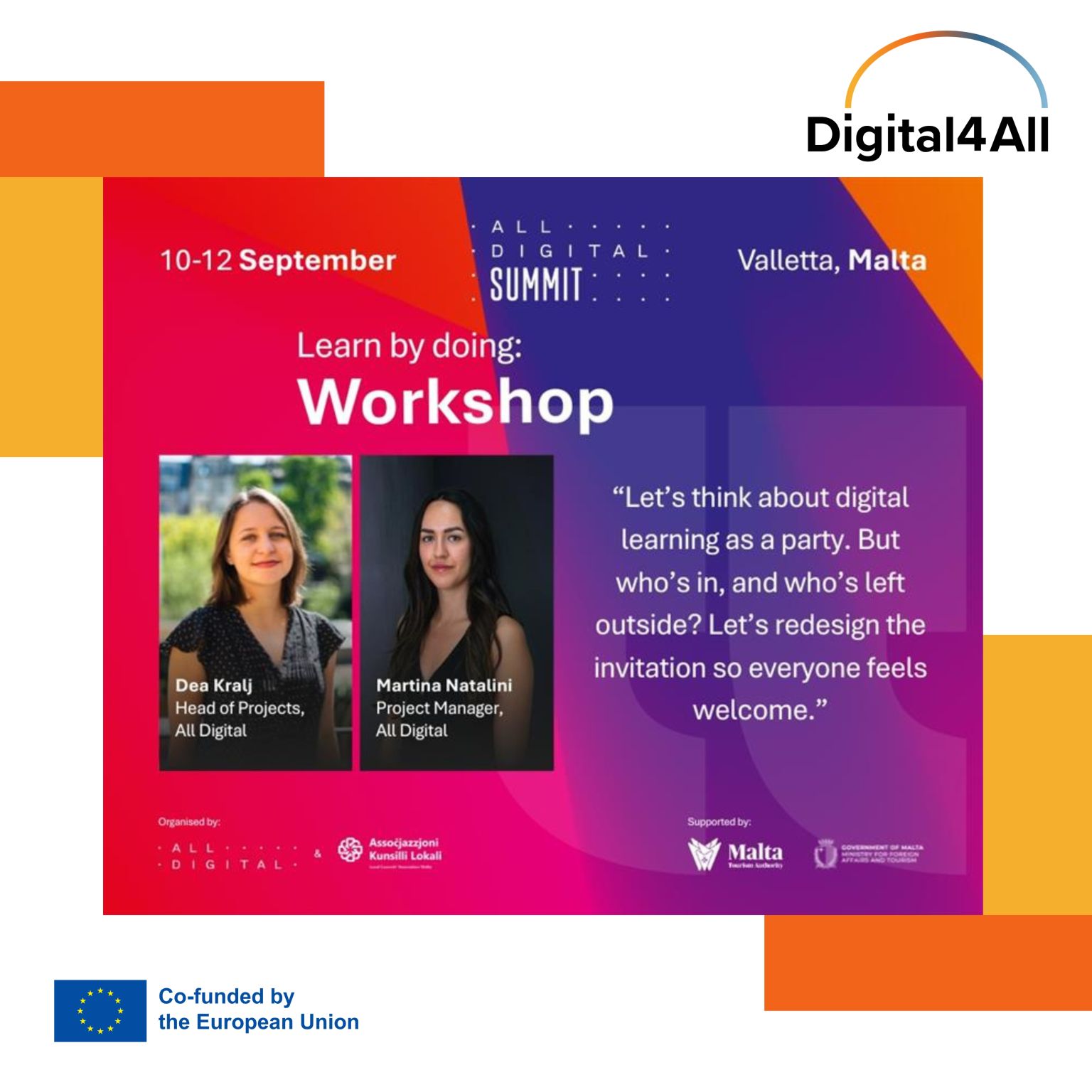
    Workshop by All Digital – Wednesday, 10 September 2025, 16:00–16:45, Room Comino

    What if your last online class was a party? Some learners felt welcome, while others were left outside, blocked by invisible barriers. This interactive workshop invites participants to explore how digital learning can become more inclusive so that everyone gets through the door, participates fully, and thrives.

    The session will begin with a short brainstorming where participants can share their own experiences of barriers in online learning. We will then introduce the concept of Universal Design for Learning (UDL) – a framework that helps educators design flexible and inclusive learning environments. Together, we will discuss why UDL matters, especially in a digital era where learning experiences must be accessible to all.

    The workshop will feature a hands-on group activity where participants redesign a sample digital activity through the lens of UDL. Each group will put UDL principles into practice, discovering how small design changes can make a big difference to inclusion and learner engagement.

    Finally, we will present the Digital4All Erasmus+ project, sharing the results developed with our partners in Finland, Cyprus, Greece, and Ireland to make higher education more digitally inclusive. Participants will leave not only with an understanding of UDL, but also with practical tips and top tools for creating learning experiences that are truly open to all.

    Join us for an engaging 45 minutes of reflection and exchange, and leave with insights you can put into practice straight away.

  • INNOVADE Powers Inclusive Digital Education in Europe through Digital4All

    INNOVADE Powers Inclusive Digital Education in Europe through Digital4All

    As the Digital4All project nears its successful completion this November, INNOVADE is proud to celebrate its pivotal role in developing and piloting groundbreaking tools that empower universities to make digital education inclusive for all.

    Funded by the Erasmus+ Programme and led by Åbo Akademi University, Digital4All has supported higher education institutions across Europe to design and implement accessible digital learning environments that leave no learner behind.

    Rethinking Access: How Higher Education Is Harnessing AI and Emerging Tech to Build Truly Inclusive Futures

    As universities across Europe change into a new era of digital transformation, institutions are adopting cutting-edge solutions that redefine inclusion, not as an accommodation, but as an integral part of their operations from the start.

    AI as an Inclusive Force

    Leading campuses are deploying AI-powered tools—such as real-time speech-to-text, automated translation, and personalised content generation—to empower students with disabilities, multilingual students, and those from remote regions. One emerging platform, Audemy, leverages adaptive audio learning tailored to blind and visually impaired learners, modulating pacing and feedback based on real‑time interaction. These innovations demonstrate how AI can bridge the gap between access and achievement.

    Immersive Tech Meets Universal Design

    Universities are experimenting with AR/VR environments that adapt to individual learning profiles through assistive personalisation, and create virtual labs or simulations that accommodate diverse cognitive and mobility needs. Meanwhile, institutions guided by principles such as “Design for All in ICT” are embedding universal design into the architecture of their digital platforms, ensuring that variability in ability is accounted for from the very first click.

    Open, Ethical, and Scalable Models

    Organisations like the Inclusive Design Research Centre (IDRC) and initiatives such as AEGIS Europe are informing policy and technical standards, assisting institutions in building platforms that are inclusive by design, rather than reactive fixes. At the same time, newly emerging models, such as the German University of Digital Science, demonstrate how globally accessible, tuition-free, fully digital universities can broaden inclusion across socioeconomic and geographic lines.

    The Rise of Living, Intelligent Curricula

    Futurists envision degrees built as living curricula—micro‑credentials, modules, and adaptive pathways personalised for each learner. AI models now help students merge prior learning, work experience, and interests into custom journeys that respect their pace and context. The result? Increased participation among adult learners, refugees, regional students, and those returning to education later in life.

    A Global Equity Imperative

    According to OECD insights, inclusive digital transformations need more than tools—they require equity in access, different types of literacies, and platform design. As higher education systems implement these technologies, essential emerging priorities include rural broadband initiatives, low-bandwidth learning options, and open-access platforms that remove barriers for underserved communities.

    For more information and to access the Digital4All Toolkit, training modules, and eLearning platform, please visit https://digital4allproject.eu/ and https://digital4allproject.eu/e-learning-platform/

    Sources: 

    1. Accessibility in Higher Ed: Learn What You Need to Know, https://wcet.wiche.edu/frontiers/2025/03/21/accessibility-in-higher-ed-learn-what-you-need-to-know/?utm_source=chatgpt.com
    2. Digital equity and inclusion in education: An overview of practice and policy in OECD countries, https://one.oecd.org/document/EDU/WKP%282023%2914/en/pdf?utm_source=chatgpt.com 
    3. AI-Driven Education can help the less privileged. https://www.theaustralian.com.au/subscribe/news/1/?sourceCode=TAWEB_WRE170_a_GGL&dest=https%3A%2F%2Fwww.theaustralian.com.au%2Fhigher-education%2Fai-can-help-close-the-equity-gap-which-afflicts-education%2Fnews-story%2F53781c5a7e6b73e3d327ba82236cb1d7&memtype=anonymous&mode=premium&v21=GROUPA-Segment-2-NOSCORE&V21spcbehaviour=append 
    4. German University of Digital Science, https://en.wikipedia.org/wiki/German_University_of_Digital_Science?utm_source=chatgpt.com 
    5. Inclusive Design Research Centre, https://en.wikipedia.org/wiki/Inclusive_Design_Research_Centre?utm_source=chatgpt.com 
    6. Design for all, https://en.wikipedia.org/wiki/Design_for_All_%28in_ICT%29?utm_source=chatgpt.com 
    7. The Future of AI in Higher Education: Innovation and Opportunity, https://www.linkedin.com/pulse/future-ai-higher-education-innovation-opportunity-david-massey-ksugc/ 
    8. AI for Accessible Education: Personalised Audio-Based Learning for Blind Students, https://arxiv.org/abs/2504.17117?utm_source=chatgpt.com 
    9. AI in higher education: Empowering educators, enhancing learning and adapting for the future, https://verbit.ai/general/ai-in-higher-education-empowering-educators-enhancing-learning-and-adapting-for-the-future/?utm_source=chatgpt.com 
  • Digital4All: Shaping a Future Where Higher Education Is Inclusive by Design

    Digital4All: Shaping a Future Where Higher Education Is Inclusive by Design

    As the Digital4All project approaches its conclusion this November, its vision for equitable digital learning in higher education has never felt more vital. Launched in December 2023 with the mission to “build the capacity of universities to develop digital strategies that serve all learners,” the Erasmus+ initiative is now marking the successful implementation and piloting of its core outputs, turning inclusive ideals into new beginnings in real change across Europe.

    Reimagining Higher Education for All

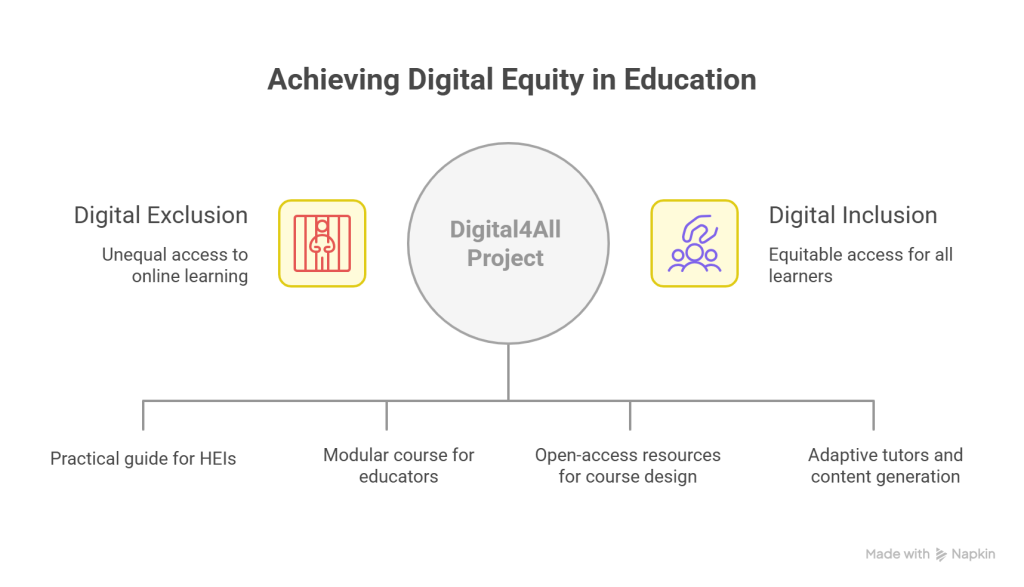
    Digital4All, delivered through a strong transnational partnership of universities, research institutions, and NGOs, addressed one of the most urgent challenges in the digital era: digital exclusion in higher education. From students with disabilities to those facing linguistic, cultural, or financial barriers, the project has championed a more inclusive approach to online learning, powered by universal design and grounded in EU frameworks, such as DigComp 2.1 and SELFIE.

    From Concept to Practice: Toolkit, Training, and Platform Piloted Across Europe

    In spring and early summer 2025, academics and university staff participated in the pilot phase of the project’s training programme. The results were promising: educators reported increased awareness, stronger digital inclusion competencies, and immediate changes in their teaching practices. The piloting included:

    • The Digital Inclusion Toolkit, a practical guide and a unique self-assessment tool for HEIs based on the SELFIE framework.
    • A modular training course (mapped to micro-credentials) co-developed with and tested by university educators.
    • The eLearning platform and OER repository, now live, are hosting open-access resources to support inclusive digital course design and delivery.

    A Model for the European Higher Education Area

    Digital4All is not just a project—it’s a roadmap for systemic transformation. By embedding inclusion by design into the DNA of higher education systems, the project aligns with the European Education Area 2030 objectives and responds to the EU’s Digital Education Action Plan.

    From Digital Access to Intelligent Inclusion

    In a time when global institutions are embracing EdTech, UNIC is pushing the boundaries by exploring AI as a bridge—not a barrier—for marginalised students. This includes testing emerging tools such as adaptive AI tutors, multilingual content generation, and inclusive analytics systems that help educators spot learning gaps in real time (Verbit.ai, OECD 2023). This approach reflects the university’s belief that digital transformation must go beyond converting lectures to screens. It’s about building responsive, intelligent learning ecosystems—capable of adapting to the diverse realities of today’s students.

    Campus Without Walls: Towards Borderless Learning

    UNIC’s long-standing leadership in distance learning and blockchain innovation naturally extends into borderless, inclusive digital education. The university has piloted the Digital4All training modules in diverse environments—urban, rural, and international-testing for flexibility, accessibility, and cultural responsiveness. 

    Inclusion by Design, Not Exception

    UNIC’s approach reflects arising global policy rules. As outlined in the European Education Area 2030 strategy and the OECD’s call for digitally inclusive systems, the university emphasises inclusion as default: not a reactive fix, but a strategic principle embedded in platform architecture, faculty development, and digital policy frameworks (OECD 2023, EUA 2021).

    Looking ahead, UNIC envisions a campus where students, regardless of background, bandwidth, or ability, can engage in high-quality education through dynamic, personalized pathways-paving the way for a new digital equity standard in higher education.

    For more information and to access the Digital4All Toolkit, training modules, and eLearning platform, please visit https://digital4allproject.eu/ and https://digital4allproject.eu/e-learning-platform/

  • Empowering Digital Inclusion: 20 Higher Education Professionals Completed Online Training Course

    Empowering Digital Inclusion: 20 Higher Education Professionals Completed Online Training Course

    In a step toward fostering inclusive digital education, 20 higher education professionals completed the Training Course on Digital Inclusion for Higher Education Professionals, held online throughout April and early May 2025. The course was part of the Digital4All project and was hosted by Åbo Akademi University.

    The training, which ran every Tuesday from April 8 to May 6, 2025, brought together educators, researchers, PhD candidates, and education planners from across Finland. The course aimed to equip participants with the knowledge and tools necessary to create more inclusive online learning environments, drawing on the Universal Design for Learning (UDL) framework.

    Structured into five comprehensive modules, the course addressed key aspects of digital inclusion:

    April 8 – Digital Inclusion and Equity: Main Issues and State-of-the-Art

    April 15 – Using E-learning Platforms for Inclusive Teaching

    April 22 – Designing and Developing Digital Educational Content and Activities

    April 29 – Using AI in Education

    May 6 – Inclusive E-learning Assessment Methods

    Each session was held via Zoom and facilitated by M.Ed. Sage Borgmästars and Dr. Tanja Kohvakka, both from Åbo Akademi University.

    The course emphasised practical strategies for implementing inclusive digital teaching, including the use of accessible technologies, adaptive content design, and equitable assessment methods. Participants explored how artificial intelligence can support personalised learning and how digital platforms can be optimised to accommodate diverse learner needs.

    Participants appreciated the balance between theoretical insights and hands-on learning, as well as the opportunity to engage with peers from different academic and cultural backgrounds. Many noted that the course had deepened their understanding of digital equity and inspired them to implement more inclusive practices in their own institutions.

    The training also served as a platform for networking and future collaboration among professionals committed to advancing digital inclusion in higher education. Several participants expressed interest in continuing the dialogue through follow-up workshops and joint projects.

    Organised under the umbrella of the Digital4All initiative, the course aligns with the broader mission of enhancing digital accessibility and inclusion across the European Higher Education Area and beyond. The project continues to develop resources and training opportunities to support educators in navigating the evolving digital landscape.

    For more information about the Digital4All project or future training opportunities, interested parties are encouraged to contact project coordinator Dr. Tanja Kohvakka at tanja.kohvakka@abo.fi.

  • Piloting the Training Course in Greece: Fostering Digital Inclusion in Higher Education

    Piloting the Training Course in Greece: Fostering Digital Inclusion in Higher Education

    In a significant step towards enhancing digital accessibility and inclusion within higher education, the International Hellenic University hosted a pilot of the “Digital4All” Training Course from May 3 to 17, 2025. This online synchronous teleconference, conducted via Zoom, brought together 20 higher education professionals, including professors, PhD candidates, academic collaborators, and secondary education teachers. The course was expertly facilitated by Marina Delianidi and Theodora Margaritopoulou, under the supervision of the renowned professors of the International Hellenic University, Mr. Vassilios Grammatikopoulos and Mr. Konstantinos Diamantaras.

    📝Understanding the Training’s Aim

    The primary aim of this training course, part of the European Erasmus+ program, was to equip higher education faculty and staff with practical opportunities to adopt Universal Design strategies and practices. The goal was to facilitate all university students’ participation in digital learning through a Universal Design Framework. Specific objectives included developing pedagogical and digital skills for designing and implementing digitally inclusive experiences, addressing issues of exclusion from digital learning environments, preparing participants to integrate project resources into their daily practices, and pilot testing the course for adaptability and scalability in higher education. Key topics covered included digital inclusion, inclusive teaching strategies, accessible design, the integration of artificial intelligence in education, and inclusive assessment methods.

    ⚖️Measuring the Impact: A Comprehensive Evaluation

    To assess the effectiveness of the training, participants completed identical pre- and post-tests covering the course’s content. The results demonstrated an improvement in knowledge, with average pre-test scores of 78.5% increasing to 79.7% in the post-test, reflecting an average learning gain of 1.2%7.

    Beyond quantitative scores, participant feedback was overwhelmingly positive. The course received an average overall satisfaction rating of 4.43 out of 5. Participants highly appreciated the clarity of content, well-defined objectives, and the effectiveness and usefulness of the materials for their professional practice. Trainer responsiveness and support were particularly lauded, with high ratings for approachability (4.88), effective teaching methods (4.88), timely and helpful feedback (4.56), and accessibility (4.67). Participants reported a significant increase in confidence to use inclusive design strategies and a strong readiness to implement what they learned in real teaching scenarios. A notable 68% felt “mostly” or “completely” ready for digital equity after the course.

    🗒️Committee’s Positive Assessment

    The Greek evaluation committee’s report further underscored the success of the pilot, deeming its overall evaluation “extremely positive,” reflecting the high quality of both content and pedagogical implementation. The committee highlighted that the program effectively responds to the needs of higher education teachers, offering clear and topical thematic fields organized with a practical application focus. The connection between theoretical concepts and educational practice, combined with the use of modern technological tools, was noted for enhancing the program’s sustainability and usability. The learning objectives were considered clear, and activities essential and relevant to the reality of higher education. The committee also praised the pedagogical effectiveness, accessibility, and assessment aspects, noting that theoretical concepts were well-explained with real-world examples practical activities promoted critical thinking, and interactive elements enhanced participation. They also recognized the clear mechanism for evaluating course effectiveness and making improvements based on feedback.

    📍Looking Ahead

    While confidence in applying AI-related strategies was slightly lower than in other areas, this suggests an opportunity for future course enhancements, such as offering advanced modules on AI integration and digital equity. Qualitative observations from the committee members suggested enhancing interactivity and providing more examples and applications of artificial intelligence as areas for improvement. Overall, the pilot in Greece was successful, demonstrating strong adaptability and scalability for broader implementation in higher education settings. This report serves as a valuable basis for further dissemination and exploitation of “Digital4All,” aiming for maximum educational impact and effectiveness.

  • Empowering Digital Inclusion at UCD Science Festival!

    Empowering Digital Inclusion at UCD Science Festival!

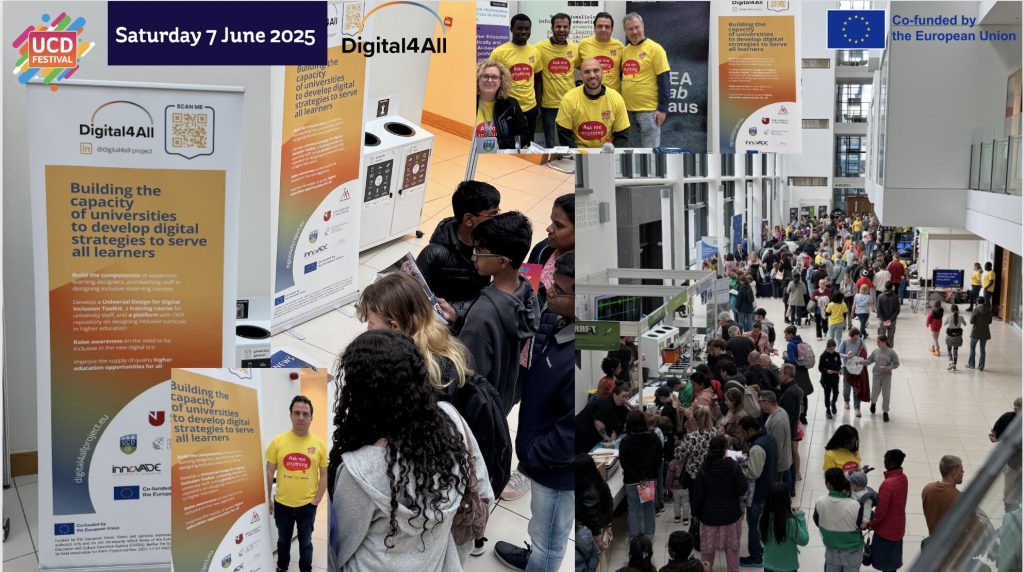
    We were thrilled to host the Digital4All Event on June 7th, 2025, as part of the vibrant UCD Science Festival in Dublin (https://festival.ucd.ie/). Our event brought together 57 participants, from school students and teachers to industry professionals and UCD staff, for an interactive afternoon exploring inclusive digital education.

    Key highlights:
    – Showcased our Toolkit and Repository
    – Cross-sector conversations connecting education, research, and industry
    – Overwhelmingly positive feedback and strong interest in follow-up activities!

    Hosted at the O’Brien Centre for Science, the event was a powerful example of how collaboration between research projects and public engagement events can create impact across communities.

  • Boosting Digital Inclusion: How Digital4All Training Made a Difference

    Boosting Digital Inclusion: How Digital4All Training Made a Difference

    What happens when you bring together educators, technologists, and digital inclusion advocates from across Europe to tackle barriers in online education? You get the Digital4All project—a European Union-funded initiative making real impact in how we teach and learn in digital spaces.

    Between December 2023 and November 2025, six partner organizations from Ireland, Finland, Greece, Cyprus, and Belgium are working together to improve digital accessibility in higher education. A big part of this effort is a comprehensive online training course aimed at university faculty and staff. Now, with the first round of learners completing the course, it’s time to ask: Did it work?

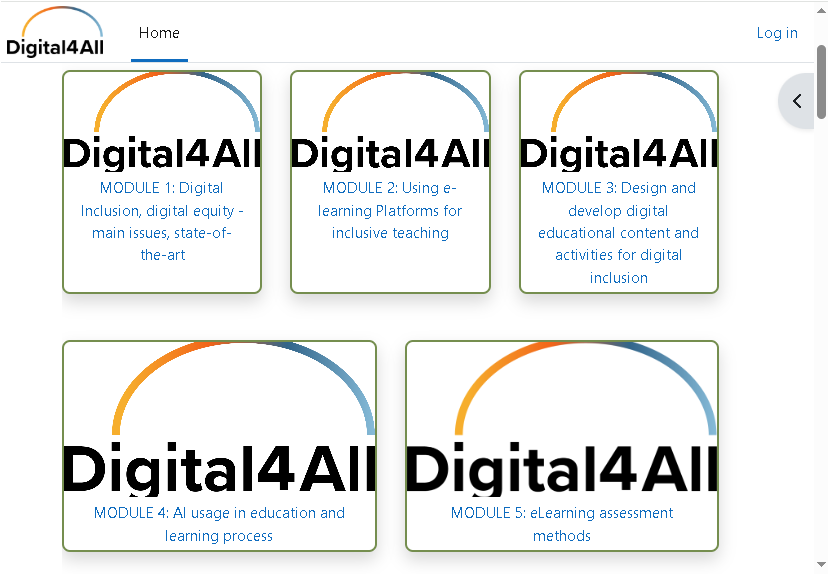
    Figure 1. Screenshot of the Digital4All training course homepage on the Moodle platform (https://digital4all.ucd.ie/), where the training modules on accessibility and inclusion were hosted.

    Understanding the Training

    Hosted on a dedicated Moodle platform (see Figure 1), the Digital4All training modules guide participants through topics such as:

    • Inclusive teaching practices
    • Accessible digital design
    • Universal Design principles
    • The role of AI in inclusive education
    • Practical strategies for inclusive assessments

    The training is part of a broader effort to develop a toolkit, an Open Educational Resource (OER) repository, and other resources to help universities become more inclusive and equitable in the digital age.

    Measuring the Impact: A Before-and-After Look

    To understand the effectiveness of the training, participants took a pre-test before beginning the course, and a post-test after completing it. These tests were identical, covering the full scope of the five modules.

    Here’s what the numbers showed:

    • Average Pre-Test Score: 7.85 out of 19
    • Average Post-Test Score: 15.15 out of 19
    • Average Learning Gain: +7.30 points

    Every single one of the 20 participants improved their score—an impressive outcome that clearly reflects knowledge gained.

    “It’s great to see such consistent improvement,” said one of the trainers. “It shows that even those with limited prior knowledge were able to significantly boost their understanding.”

    More Than Just Scores

    Beyond the test scores, participants were asked to rate the training experience itself. The feedback was overwhelmingly positive:

    • Overall Satisfaction: 4.85 out of 5
    • Content Quality: 4.8
    • Ease of Navigation: 4.7
    • Improved Skills: 4.7
    • Likelihood to Apply in Real Life: 4.8

    Participants highlighted how practical, accessible, and relevant the content was. Many said they were already planning to apply what they learned in their own teaching or course design.

    “The storytelling elements really made things click for me,” shared one learner. “It helped me see the human side of digital accessibility.”

    Key Takeaways

    This evaluation makes one thing clear: Digital4All training isn’t just informative, it’s transformative. From higher test scores to glowing feedback, participants walked away with sharper skills and a deeper understanding of how to make digital education more inclusive

    Here’s what we’ve learned:

    • Targeted training works—structured, well-designed courses can shift knowledge quickly.
    • Everyone benefits—teachers, technologists, and students alike find value in inclusive education.
    • Digital inclusion is achievable—when supported with the right tools, change is possible.

    Looking Ahead

    With such promising results, the Digital4All team is excited to move forward with more workshops, additional content, and expanded outreach. As one of the participants put it, “This training has sparked ideas I didn’t even know I needed.”